Celebrating Marine Protected Area Day through citizen science and ocean discovery!
What better way to celebrate Marine Protected Area Day than getting out on the ocean and exploring the incredible biodiversity of our Byron–Tweed Hope Spot!
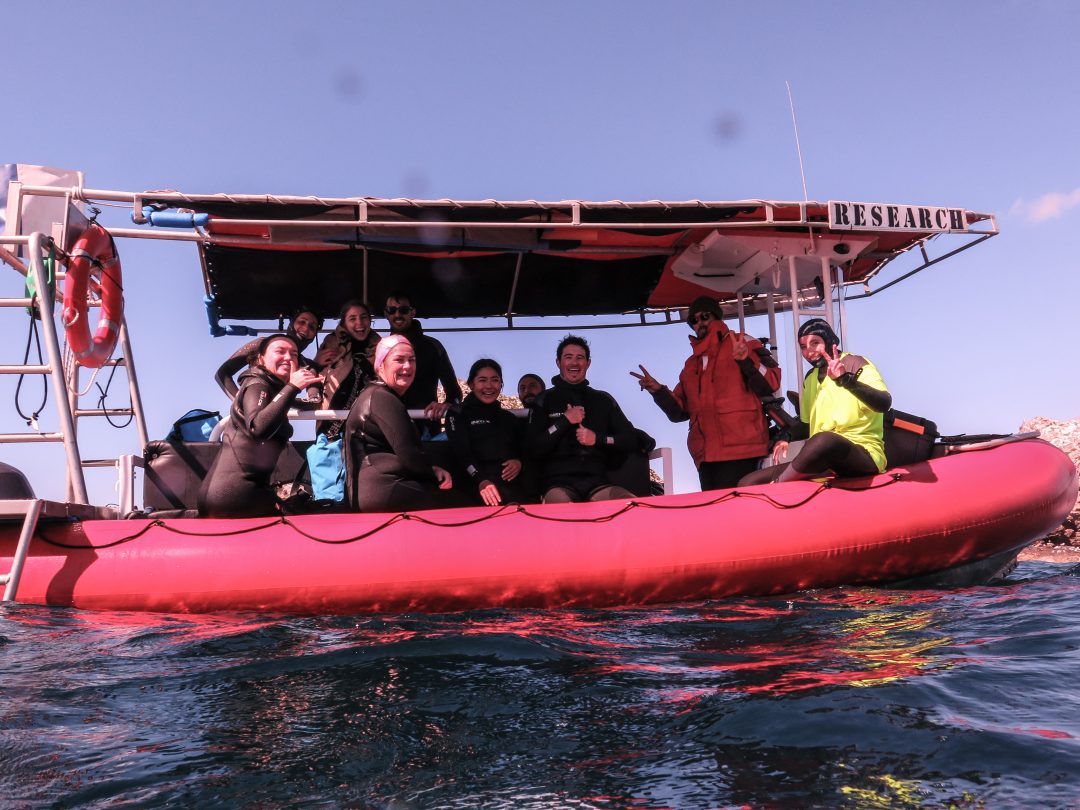
In August, we welcomed a fantastic group of enthusiastic Ocean Champions to our Biodiversity Citizen Science Workshop and field trip, which was booked to full capacity! The workshop brought together community members for a hands-on day of marine research, biodiversity discovery and learning about the importance of protecting our oceans.
Exploring life above and below the surface
From observing and recording marine mammals to learning about the importance of long-term monitoring, citizen science teams gained first-hand experience of how scientific observations help us better understand these animals, their habitats and the pressures they face.
The team first completed a cetacean survey on-board the research vessel as we covered different areas of Byron Bay-searching for resident Indo-Pacific bottlenose dolphins and migrating humpback whales.
Then it was time to explore beneath the surface!
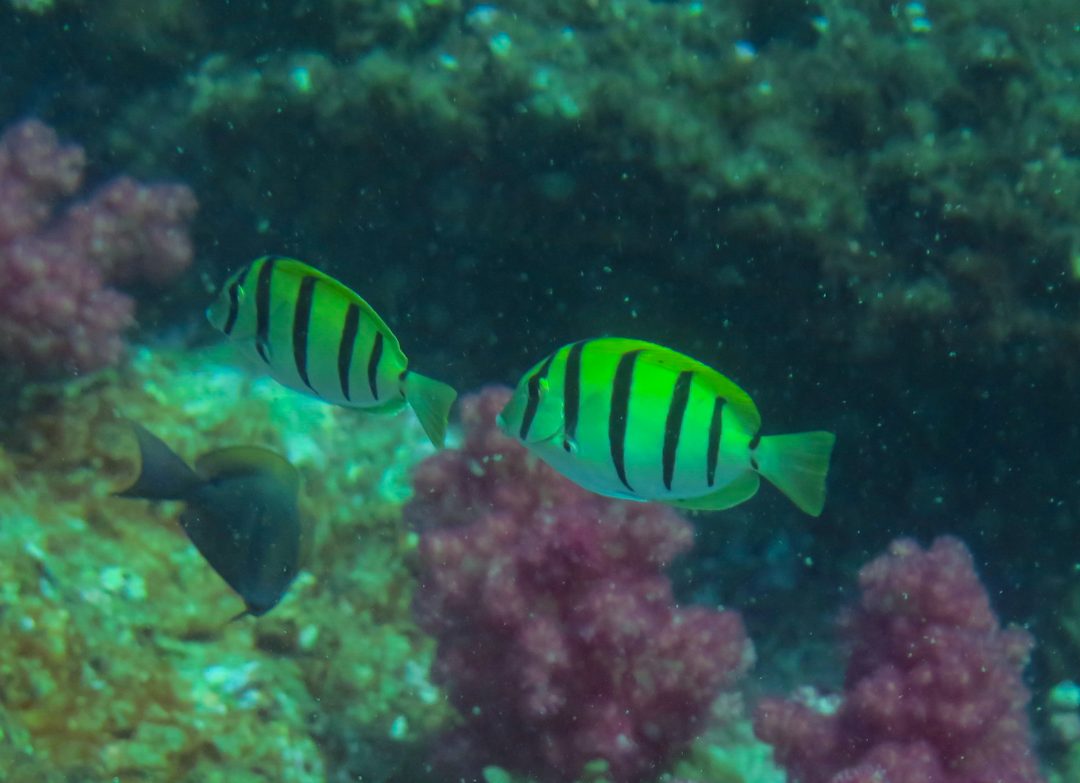
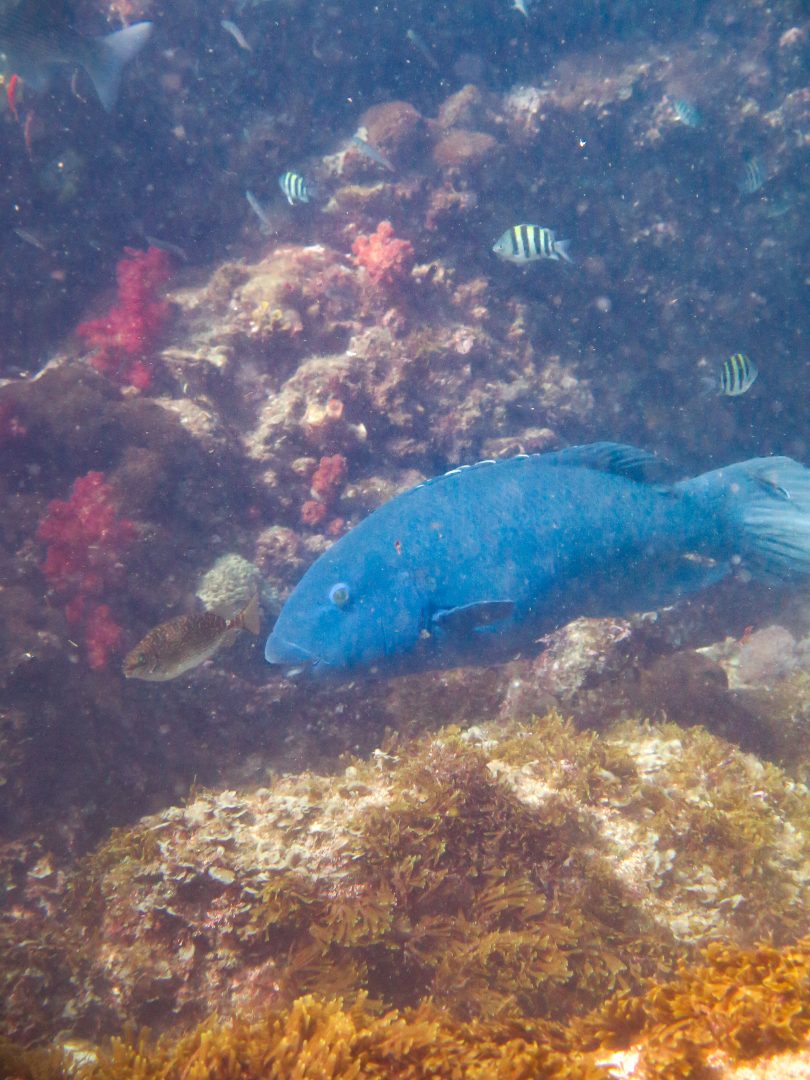
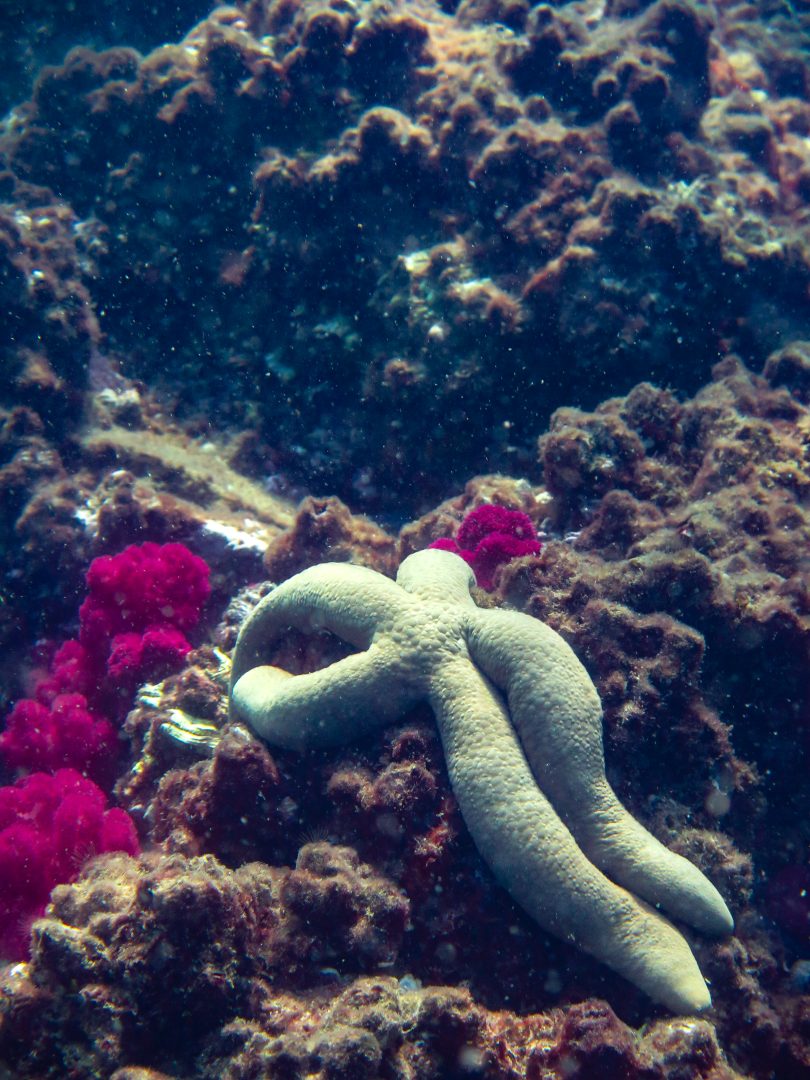
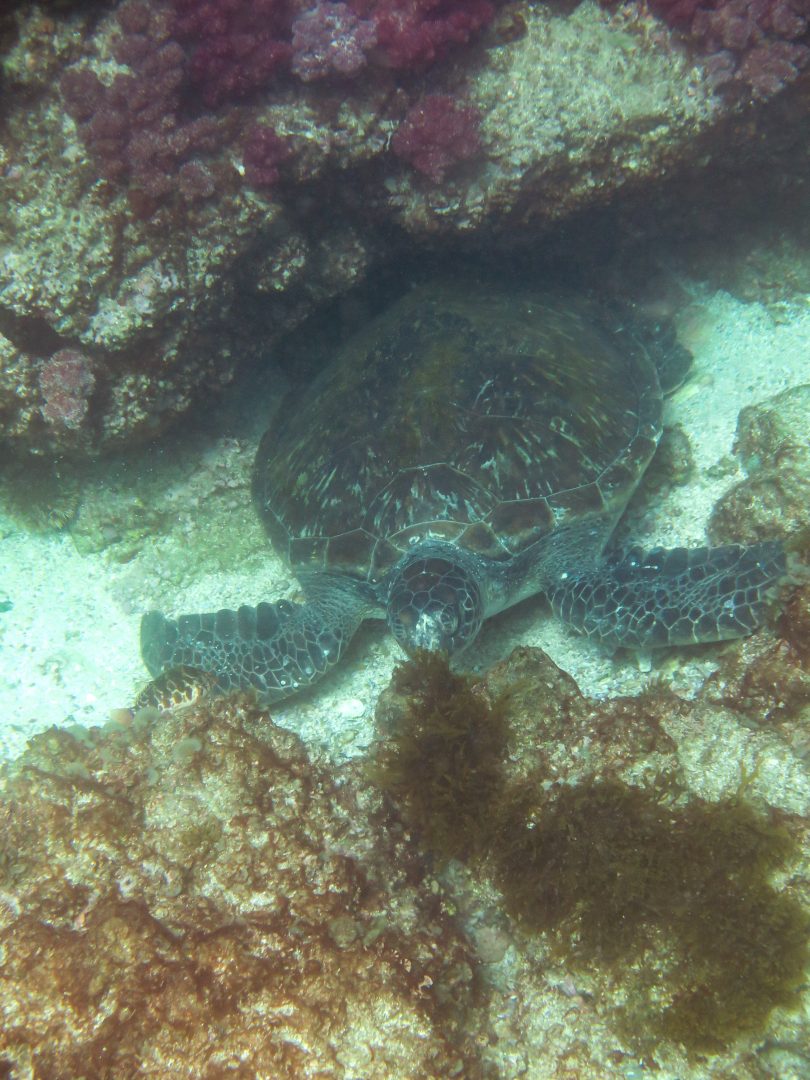
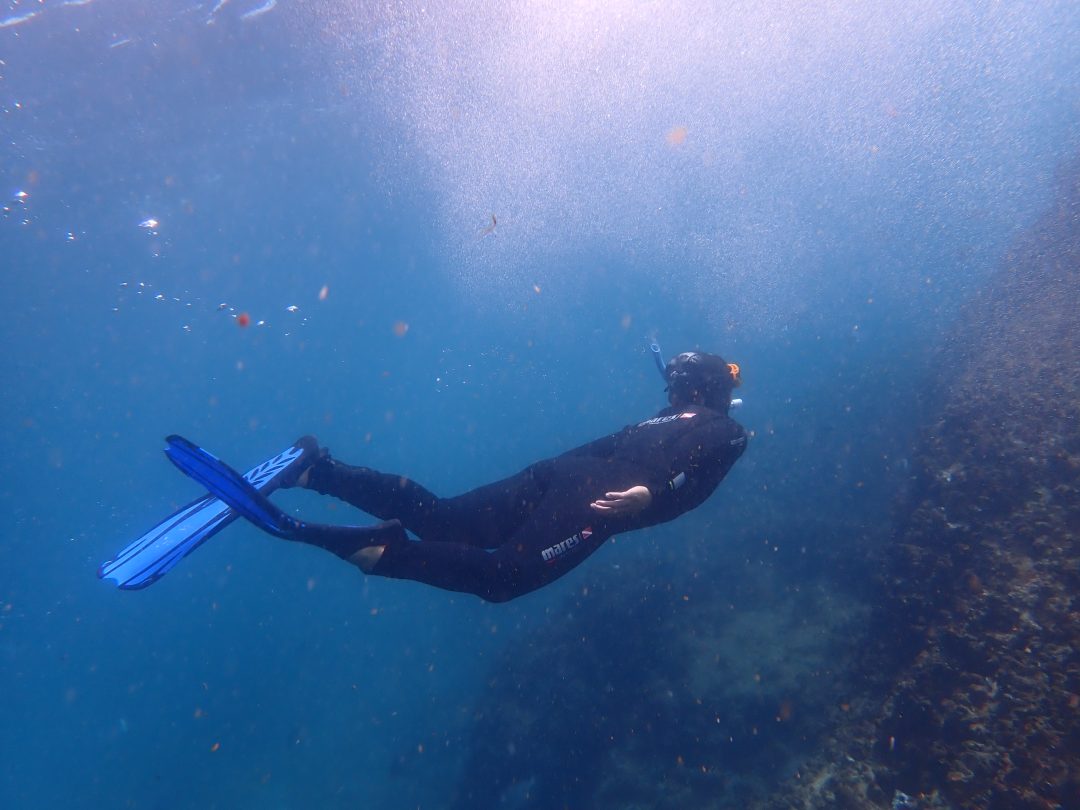
At Nguthungulli (Julian Rocks), one of the region’s most spectacular marine biodiversity hotspots within Cape Byron Marine Park, participants took to the water to discover and document the extraordinary diversity of underwater life.
Armed with underwater cameras and plenty of curiosity, our citizen science Ocean Champions explored the reef environment, photographing and recording marine species to contribute observations to our Byron–Tweed Hope Spot Biodiversity Project on iNaturalist.
From the marine life visible above the surface to the incredible world beneath it, the experience highlighted just how interconnected and diverse our coastal and marine ecosystems are.
Discovering biodiversity beyond what we can see
Our field activities also included collecting environmental DNA (eDNA) samples and underwater sound recordings, introducing participants to additional scientific methods used to investigate marine biodiversity.
Environmental DNA allows researchers to detect genetic material that organisms leave behind in the water, offering another way to investigate which species may be present—even when they aren’t directly observed.
Underwater sound recordings provide valuable insights into the marine soundscape, helping us investigate biological sounds and the acoustic environment experienced by marine wildlife.
By combining visual observations, eDNA sampling and acoustic recordings, our research aims to build a more comprehensive picture of marine biodiversity across the Byron–Tweed Hope Spot.
Turning ocean discovery into conservation action
Our biodiversity project is part of our larger Ocean Champion Program, which empowers communities to take meaningful grassroots action to protect and conserve our oceans.
Citizen science is an important part of this work. By bringing people into the field and providing opportunities to participate in real scientific research, we’re helping build knowledge, develop practical skills and strengthen connections with our marine environment.
And the learning doesn’t stop when the field day ends!
Citizen scientists can continue contributing to our Byron–Tweed Hope Spot Biodiversity Project by photographing and recording the wildlife they encounter in our coastal and marine environments.
Every observation adds another piece to our growing picture of biodiversity across the Hope Spot.
A big thank you to our Ocean Champions!
A huge thank you to everyone who joined us for this special day and brought such enthusiasm, curiosity and passion for our oceans!
We also extend our thanks to everyone who helped make the workshop possible.
Together, we’re building knowledge, inspiring ocean stewardship and taking action to help protect the incredible biodiversity of our Byron–Tweed Hope Spot.
Become an Ocean Champion!
Want to get involved in citizen science and help us discover, record and protect marine biodiversity?
Join our Byron–Tweed Hope Spot Biodiversity Project on iNaturalist or explore our free online Ocean Citizen Science Workshop to learn how you can contribute. Also check out our events page and join one of our upcoming field trips.
Discover it. Record it. Help protect it.