
Listen to the Life of the Ocean
Enter the fascinating world of ocean sound. From the clicks of dolphins and songs of whales to the crackling of tiny shrimp, the ocean is alive with sound. Marine animals use sound to communicate, find food, navigate, avoid predators and connect with one another. In fact, sound is one of the most important tools for survival beneath the waves.
Today, increasing human-made noise from vessels, construction and other activities is changing the ocean’s soundscape and noise pollution is a major threat to many species.
Understanding ocean bioacoustics helps us appreciate how marine life relies on sound and why reducing noise pollution is important for healthy oceans.
Bioacoustics
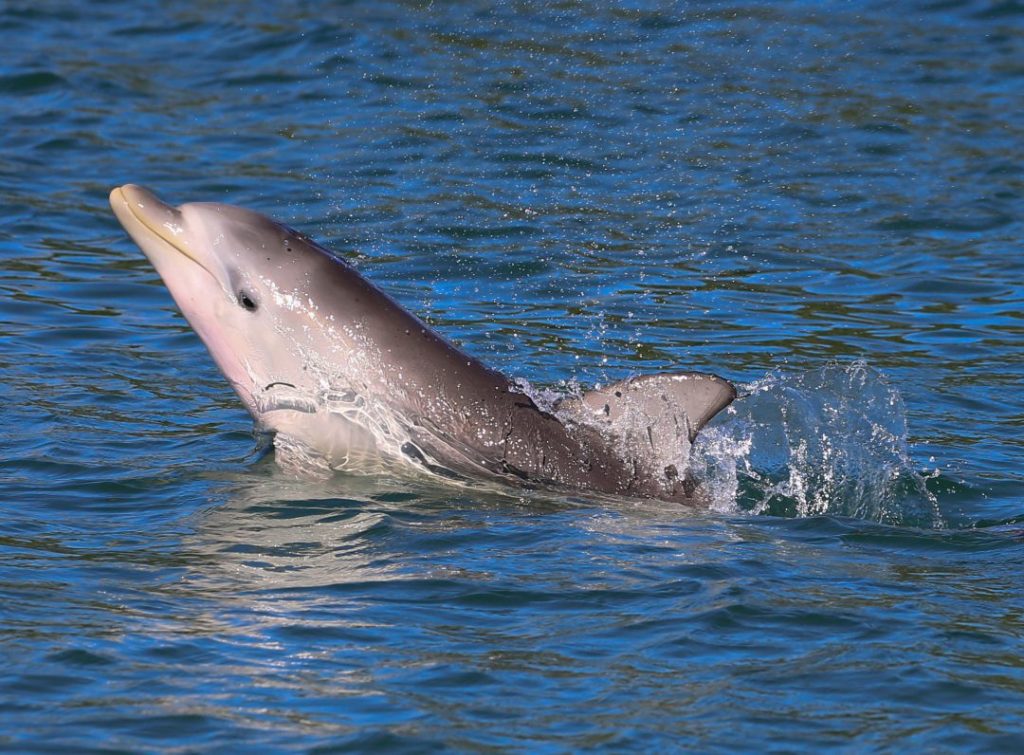
Dolphin Whistles
Signature Whistle of an Indo-Pacific bottlenose dolphin. A signature whistle is similar to a name – it contains information about the individual identity of the dolphin.
This particular signature whistle is from an adult male Indo-Pacific bottlenose dolphin known as ‘Nari’ from Moreton Bay, Queensland.
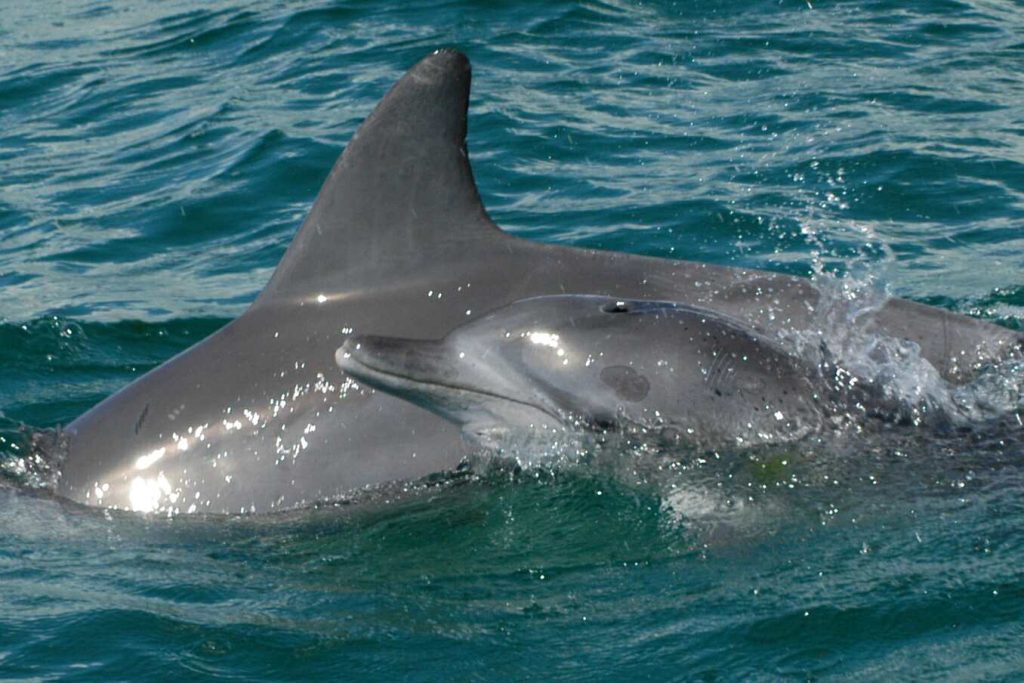
Echolocation
Listen to echolocation clicks from Indo-Pacific bottlenose dolphins as they hunt a fish.
What is Echolocation?
Echolocation is a natural sonar used by animals such as toothed whales to “see” with sound. They produce clicks that travel through the water and bounce off objects. By listening to the returning echoes, they can determine the size, shape, distance and location of prey, obstacles and other animals—even in dark or murky water.
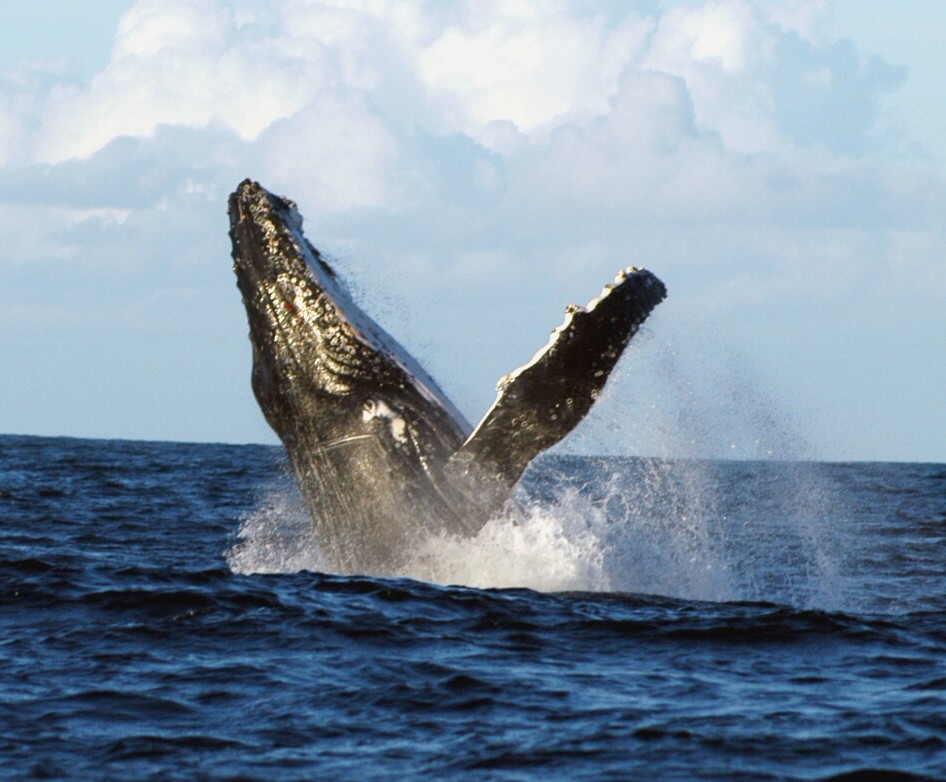
Humpback whale song
Did you know that only male humpback whales within the same population will sing the same song that changes every year?
Humpback whales are famous for their complex and beautiful songs. These long sequences of sounds are produced primarily by males and can travel great distances through the ocean. Whale songs are thought to play an important role in communication and breeding, with the song patterns gradually changing and evolving over time.
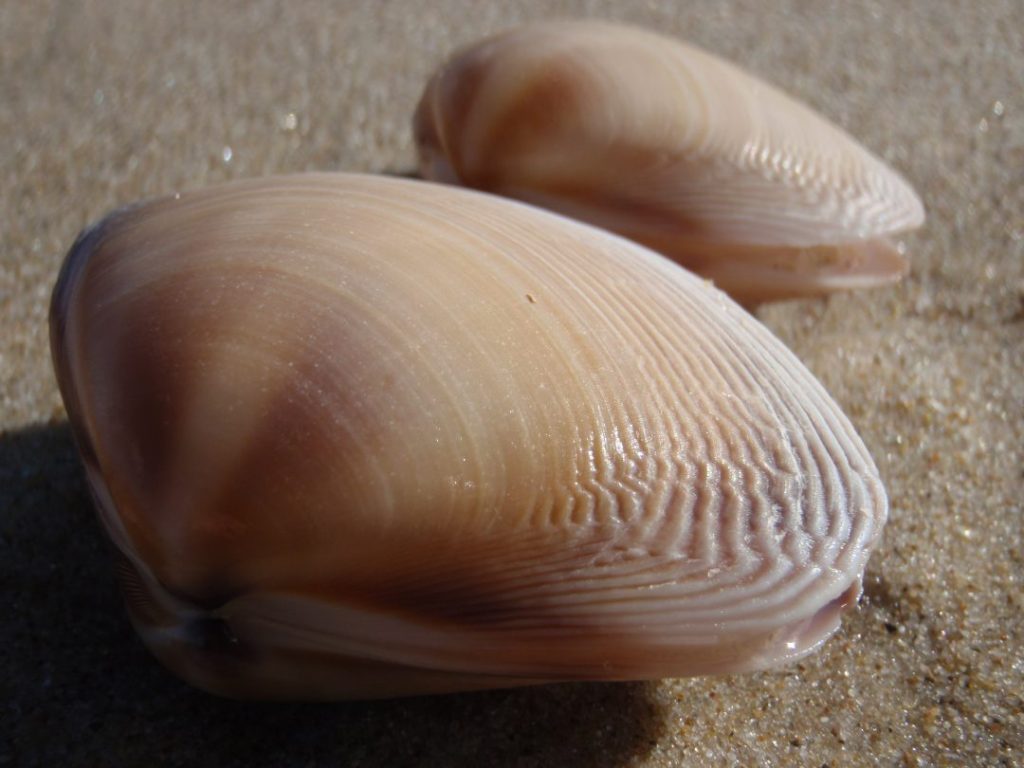
Bivalves
Bivalves, such as oysters, mussels and clams, may seem silent, but they can produce sounds by opening and closing their shells or releasing bubbles. These subtle clicks, pops and snaps contribute to the underwater soundscape and can provide scientists with valuable information about the health and activity of marine ecosystems.
Fish
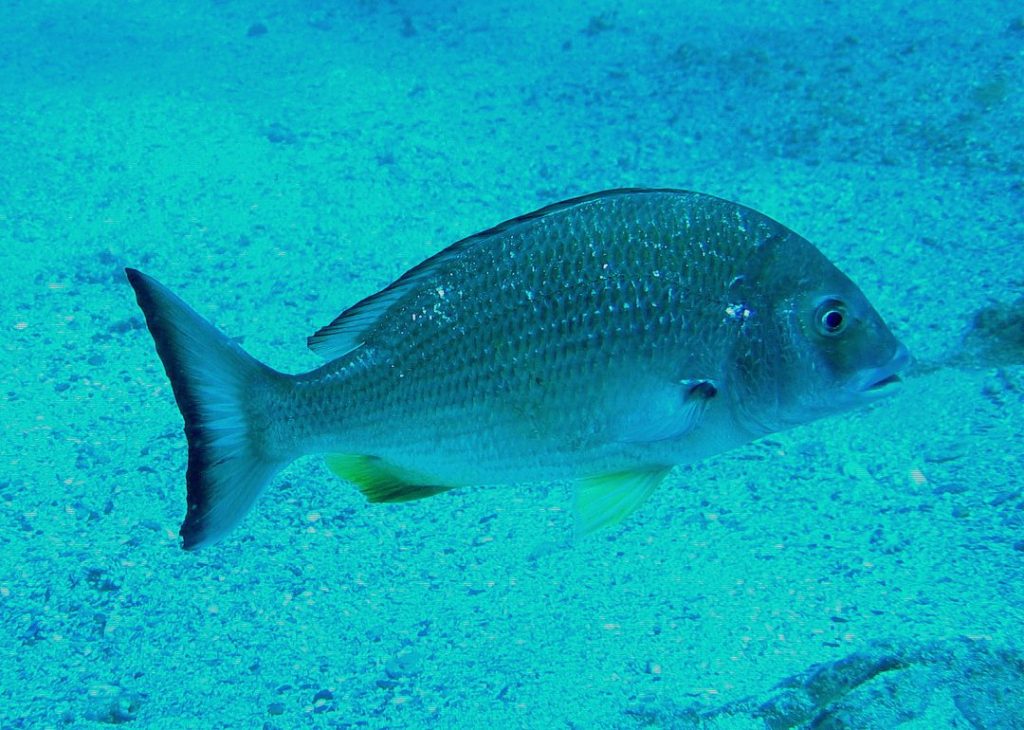
Many fish make sounds to communicate with each other. They can produce grunts, clicks, pops, hums and drumming noises to attract mates, defend territories, warn of danger or stay connected with their group. These sounds are an important part of the underwater soundscape and reveal that the ocean is far noisier than it may seem.
In this sound sample you can hear a Black Drum fish (Pogonias promise)
Sound credit:NOAA [National Oceanic and Atmospheric Administration]. Passive Acoustics Group. 2021. Stfr_Multisound_NOAA_PAGroup_01. https://www.fisheries.noaa.gov/national/science-data/sounds-ocean
Waves
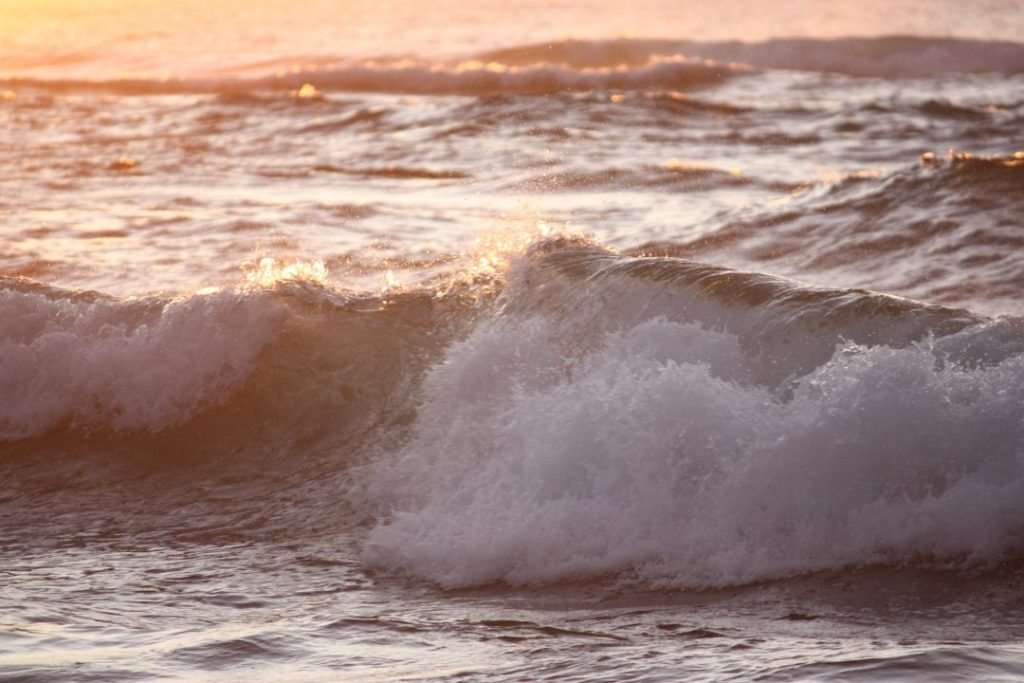
The ocean is filled with natural sounds created by wind, waves, rain and moving currents. Breaking waves, rolling surf and bubbles produce a constant underwater soundtrack that helps shape the ocean soundscape. These natural sounds provide important environmental cues that marine animals use to navigate, find suitable habitats and understand their surroundings.
Human Noise Sources
Boats
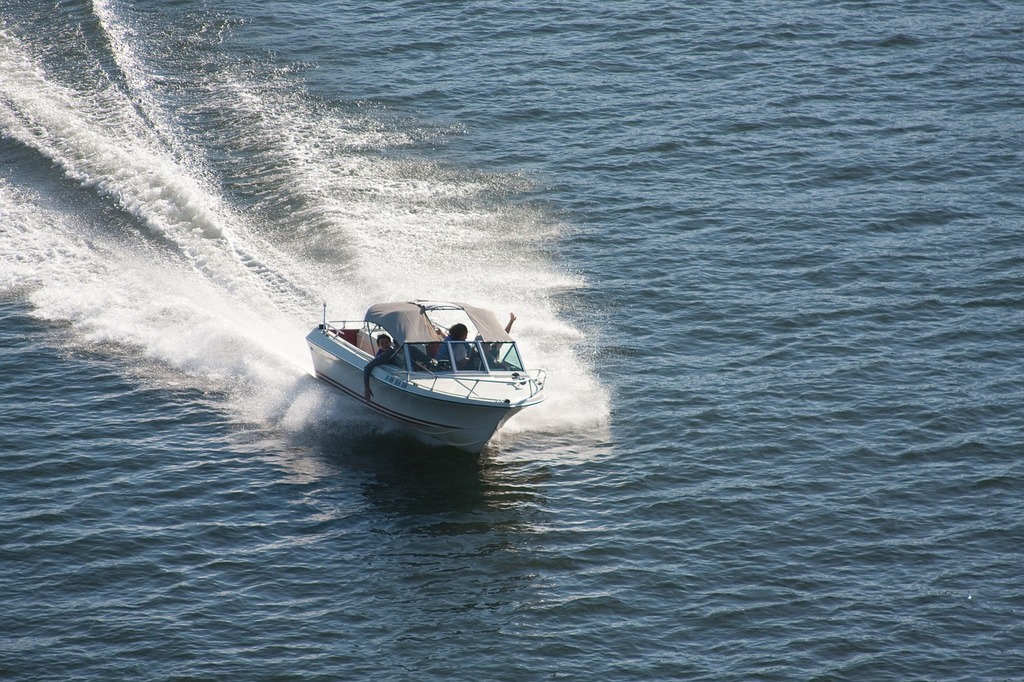
Boats are a major source of human-made noise in the ocean. Engine sounds and propeller noise can travel long distances underwater, sometimes masking the sounds marine animals rely on for communication, navigation and finding food. Reducing noise pollution can help create a healthier and quieter ocean for marine life.