
What is Biodiversity — and Why Does it Matter for Our Oceans?
When we talk about protecting our oceans, one word comes up again and again: biodiversity. But what does it actually mean — and why is it so important?
What is Biodiversity?
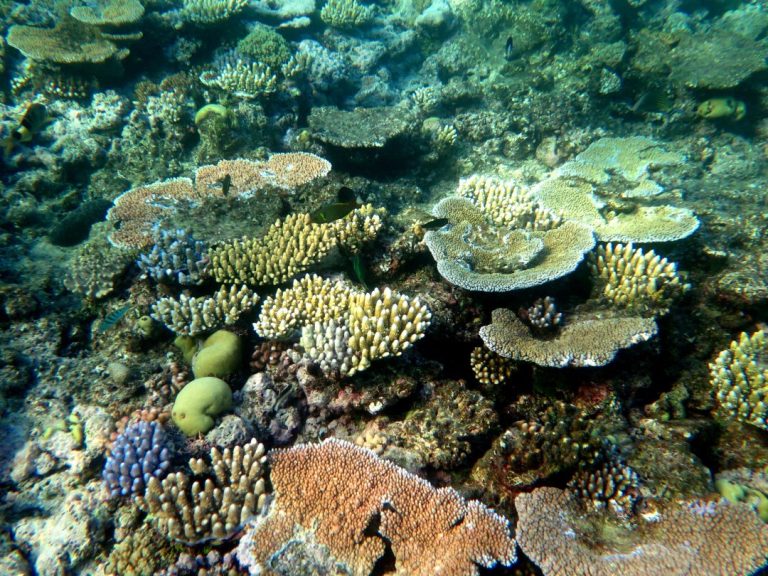
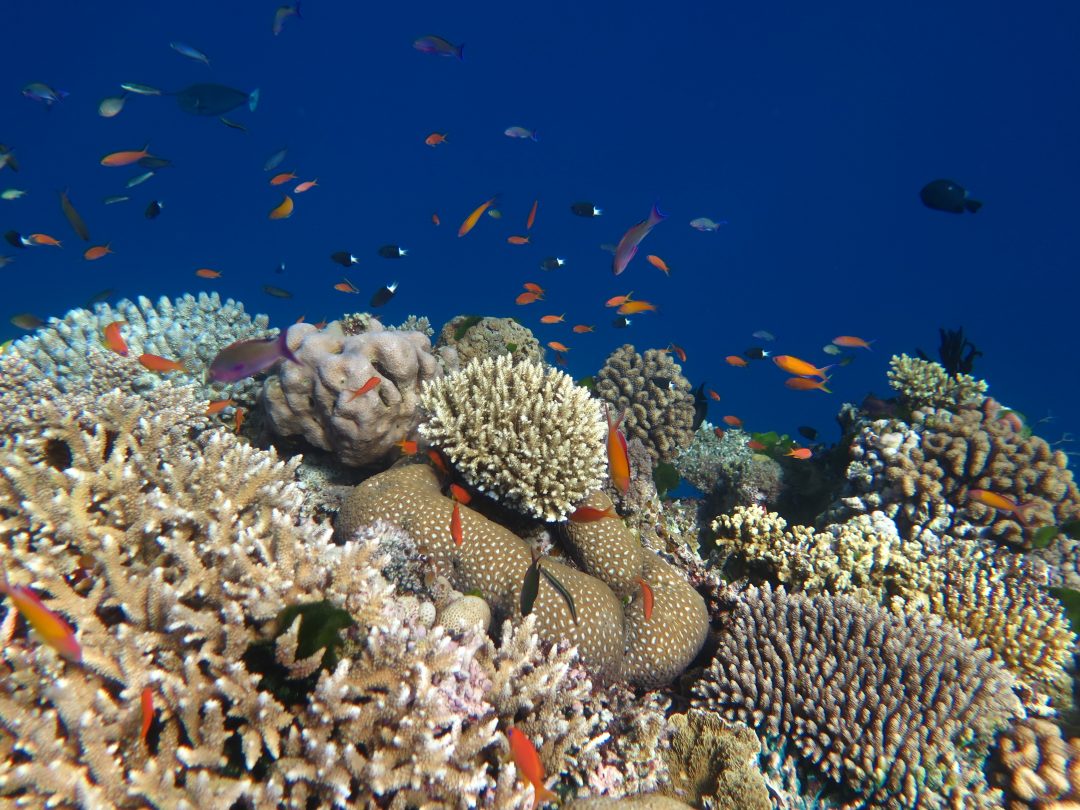
Biodiversity refers to the variety of life on Earth — from tiny plankton drifting in the ocean, to seagrass meadows, coral reefs, fish, dolphins, seabirds, and whales.
It exists at three key levels:
- Species diversity – the number of different species
- Genetic diversity – variation within species
- Ecosystem diversity – the range of habitats like estuaries, reefs, and open ocean
In coastal regions like the Byron–Tweed Region Hope Spot, biodiversity is incredibly rich — where rivers meet the sea, creating a mosaic of habitats that support hundreds of interconnected species.
Why Biodiversity Matters in Marine Ecosystems
- Healthy ecosystems depend on it
Every species plays a role. From seagrass stabilising sediments, to predators like dolphins and sharks maintaining balance — biodiversity keeps ecosystems functioning.
When biodiversity is high, ecosystems are:
- More stable
- More productive
- Better able to recover from disturbances
- Everything is connected
Marine ecosystems are deeply interconnected.
For example:
- Nutrients flow from rivers to the ocean
- Seagrass beds provide nursery habitat for fish
- Baitfish attract larger predators like dolphins and whales
A change in one part of the system can ripple across the entire ecosystem.
- Biodiversity builds resilience
Oceans are facing increasing pressures — from climate change to pollution and coastal development.
Ecosystems with greater biodiversity are more resilient, meaning they can better:
- Adapt to warming waters
- Recover from extreme events
- Maintain essential functions
- It supports people and communities
Healthy marine ecosystems support:
- Fisheries and food security
- Tourism and local economies
- Cultural values and connection to Country
- Recreation and wellbeing
Protecting biodiversity is not just about wildlife — it’s about people, place, and future generations.
What Threatens Marine Biodiversity?
Marine biodiversity is under increasing pressure from:
- Habitat loss and coastal development
- Pollution and runoff
- Marine debris and plastics
- Unsustainable fishing and wildlife disturbance
- Climate change
- Insufficient protection and marine sanctuary areas
These pressures often act together, creating cumulative impacts that increase vulnerability.
What Can We Do?
Protecting biodiversity starts with understanding it — and taking action.
You can help by:
- Participating in citizen science programs
- Reducing pollution and waste
- Respecting wildlife and marine habitats
- Supporting conservation initiatives
- Getting involved as an Ocean Champion
Protect What You Love
Biodiversity is the foundation of ocean health.
When we protect it, we protect the systems that sustain life — including our own.
Together, we can ensure our oceans remain vibrant, resilient, and full of life for generations to come.
Image credits: Liz Hawkins