
Shark Nets & Drum Lines
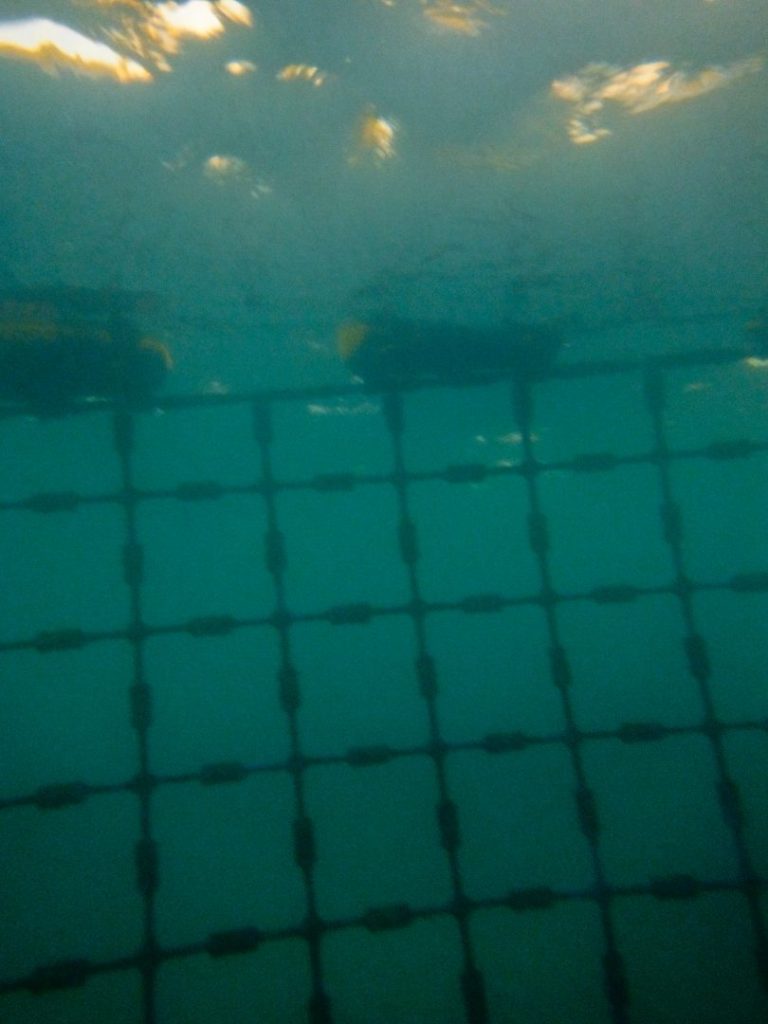
Shark Nets & Drum Lines
Shark nets and drumlines are used in several Australian states as part of “shark control programs” intended to reduce the risk of shark bites for swimmers. However, these devices do not provide a physical barrier or make beaches safer — instead, they kill large numbers of marine animals, disrupt ecosystems, and contribute to the decline of threatened species. Increasing evidence shows that modern, non-lethal technologies are far more effective for public safety.
What Shark Nets & Drumlines Actually Do
Despite common belief, shark nets do not create an enclosure. They are usually 150 m long and 6 m deep, leaving most of the water column and shoreline completely open (Queensland Shark Control Program; NSW DPI). Their primary function is to entangle animals — not to block access to beaches.
Traditional drumlines consist of large baited hooks anchored to the seafloor. “SMART drumlines,” used in some states, use non-lethal catch-and-release technology, but traditional drumlines continue to kill marine life.
High Levels of Bycatch
The majority of animals caught in shark nets and on drumlines are not target sharks. In some programs, over 90% of captured animals are non-target species (AMCS, 2022).
Species killed include:
- Dolphins
- Turtles
- Rays (including manta rays)
- Dugongs
- Whales (entanglements during migration)
- Critically endangered sharks
Queensland (QLD) Shark Control Program
According to the Queensland Government’s own data:
- Over 1,100 marine turtles, 700 dolphins, 90 whales, and thousands of rays have been caught in QLD shark nets and drumlines since the program began (Qld Shark Control Program Report, 2021).
- In recent annual reports, 64–84% of captured animals were non-target species.
- Between 2001–2021, at least 50 humpback whales were entangled in QLD shark nets during migration (Qld DES, 2021).
New South Wales (NSW) Shark Meshing Program
The NSW program shows similar results:
- Over the past decade, 55–65% of animals caught in NSW nets have been listed as protected species (NSW DPI, Annual SMP Reports).
- An independent review found the program caught an average of 275–400 animals per year, with ~40% mortality (NSW DPI, 2021).
- Target sharks (white, tiger & bull sharks) make up less than 10% of total catch.
No Evidence of Risk Reduction
Multiple governmental and independent reviews have concluded:
- Shark nets and drumlines provide no measurable reduction in the risk of shark bites (NSW DPI SMP Review, 2021; Bond University, 2020).
- Most shark bites occur at un-netted beaches.
- Nets and drumlines do NOT prevent sharks from accessing beaches — they simply kill wildlife.
- The NSW SMP review (2021) found no statistically significant relationship between shark nets and reduced bites. Similarly, a Bond University study found that shark incidents are influenced by environmental factors, not shark control gear.
Threats to Vulnerable & Endangered Species
Many species caught are slow-growing, long-lived, and already threatened. Key species at risk include:
- Scalloped hammerheads (Endangered)
- Dusky sharks (Endangered)
- Grey nurse sharks (Critically Endangered east coast population)
- Loggerhead & green turtles
- Humpback whales
- Australian dusky whaler and
- Australian humpback dolphins (Vulnerable)
- Spinner dolphins
- Indo-Pacific bottlenose dolphins (Near Threatened)
- Mobular ray (Vulnerable)
- Manta ray (Vulnerable/Endangered)
The east coast grey nurse shark population has been reduced to ~2,000 individuals, and ongoing bycatch is considered a major threat to recovery (CSIRO & NSW DPI).
Non-Lethal Alternatives
Modern, non-lethal technologies have been shown to improve beach safety far more effectively, without harming wildlife. These include:
- SMART drumlines (catch–tag–release, with relocation) (but not always non-lethal)
- Drone surveillance
- Eco-barriers / stinger nets
- Shark-spotting programs
- Public education, seasonal alerts & signage
- Personal deterrent devices supported by scientific testing
WA’s move to non-lethal approaches, including drone patrols and real-time detection systems, has been shown to significantly improve monitoring and reduce risks.
Why Nets & Drumlines Are Being Reconsidered
Around the world, governments and coastal communities are moving away from lethal shark control programs:
- South Africa, Réunion Island, and Hawaii have replaced or phased out nets.
- In Australia, multiple councils and community groups have called for non-lethal alternatives.
- Scientists overwhelmingly support transitioning to modern, humane, and more effective strategies.
Shark nets and drumlines damage marine ecosystems, kill threatened wildlife, and fail to make swimmers safer. Replacing them with non-lethal, evidence-based technologies allows communities to protect both public safety and marine life.
Learn How You Can Help & Take Action
___________________________________________________
References
- Queensland Shark Control Program Reports & Data (2021–2023). https://www.daf.qld.gov.au/business-priorities/fisheries/shark-control-program
- NSW DPI Shark Meshing Program Annual Reports (2010–2023). https://www.sharksmart.nsw.gov.au
- AMCS (2022). Analysis of shark control program impacts. https://www.marineconservation.org.au
- Bond University (2020). Shark bites and risk assessment study. https://research.bond.edu.au
- CSIRO & NSW DPI (2020). Grey Nurse Shark East Coast Population Assessment.
- ITOPF Whale Entanglement Database (supporting data referenced via QLD DES).
- Marine Wildlife Strandings & Entanglement Data (QLD DES, 2001–2021).