
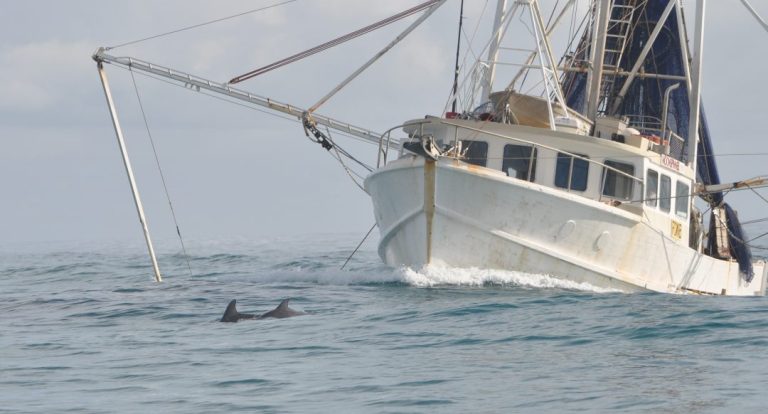
Overfishing is one of the most critical threats facing the world’s oceans today. When marine species are harvested faster than they can reproduce, populations decline, food webs unravel, and the resilience of entire ecosystems is weakened. Globally, the pressure on fish stocks has been intensifying despite improvements in some regions — and Australia is not immune.
A Global Crisis
According to the United Nations Food and Agriculture Organization (FAO), only 64.5% of assessed global fish stocks are fished at biologically sustainable levels; the remaining 35.5% are overfished (FAO, 2024). This means more than one-third of the world’s monitored fisheries are being exploited beyond their ability to recover.
Even though around 77.2% of total global fish landings come from stocks considered “sustainable,” the proportion of overfished populations has been steadily rising for decades (FAO; Global Seafood Alliance, 2023). This trend highlights a growing imbalance between what the ocean can produce and what humanity removes from it.
In addition, the global fishing fleet is now estimated to be 2.5 times larger than the ocean can naturally support (WWF-Australia). Excessive industrial capacity, combined with destructive gear types such as trawls and longlines, causes habitat damage, high bycatch rates, and ongoing pressure on vulnerable species.
Bycatch & Habitat Impacts
Unsustainable harvest doesn’t only affect targeted fish species. Many fisheries capture large numbers of non-target wildlife, known as bycatch — including dolphins, turtles, sharks, rays, seabirds, and juvenile fish. Lost or abandoned fishing gear, known as ghost gear, continues to capture and kill marine animals for decades.
Bottom-trawling, used in many global fisheries, scrapes the seafloor and destroys deep-sea corals, sponges, and complex benthic habitats. These habitats can take centuries to thousands of years to recover — if they recover at all.
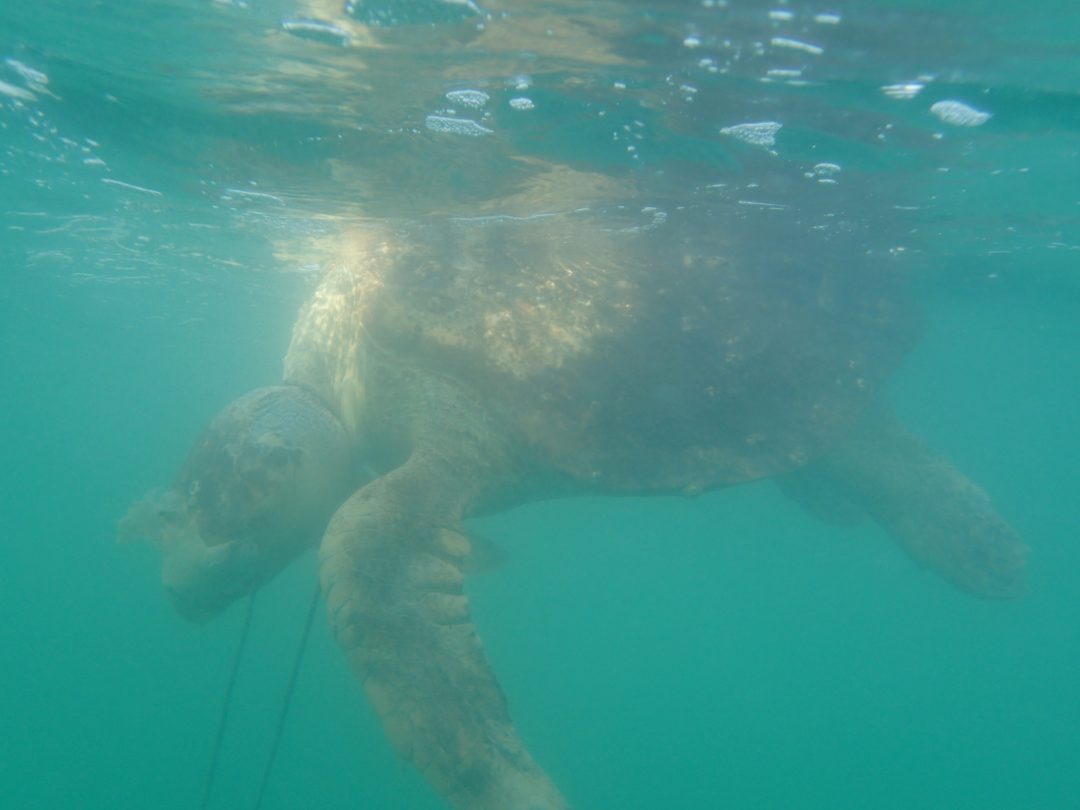
Loggerhead turtle dies due to entanglement in a recreational crab pot in Moreton Bay, SE Queensland, Australia.
Australia’s Situation
Australia is often viewed as having some of the world’s better-managed fisheries, but challenges remain. According to the latest national stock status reporting: 85% of assessed Australian fish stocks are considered sustainable or recovering (Australian Fisheries Status Reports, fish.gov.au, 2023).
However, independent conservation analyses indicate that around 17.5% of Australian stocks are overfished or being fished too heavily, and another 16.5% have an unknown status due to insufficient data (Australian Marine Conservation Society, 2024).
Many coastal species — especially sharks, rays, inshore fish, and schooling species — remain vulnerable to regional overfishing, habitat decline, and localized depletion.
Why It Matters
Overfishing has cascading impacts that extend beyond the species removed. When predator or herbivore populations decline, entire ecosystems shift. Reefs can become overgrown with algae, jellyfish blooms can increase, and prey species can boom or collapse unpredictably. These changes affect marine biodiversity, food security, coastal communities, and the long-term health of the ocean.
What Needs to Change
Ending overfishing requires coordinated global and local action, including:
- Science-based catch limits and ecosystem-based fisheries management
- Strong monitoring and compliance
- Reductions in bycatch and the phase-out of harmful gear
- Protection of critical habitats and spawning grounds
- Consumer support for genuinely sustainable seafood
- Expansion of marine protected areas to allow recovery
Healthy oceans depend on balanced, sustainable harvests. With proper stewardship, fish populations can recover — but only if we reduce pressure, protect habitats, and manage our fisheries responsibly.
References
- FAO (2024). Global assessment of marine fish stocks. https://www.fao.org/newsroom/detail/fao-releases-the-most-detailed-global-assessment-of-marine-fish-stocks-to-date/en
- Global Seafood Alliance (2023). https://www.globalseafood.org/advocate/fao-64-5-of-global-stocks-are-sustainably-fished-but-overfishing-persists-without-management/
- WWF-Australia: Overfishing. https://wwf.org.au/what-we-do/oceans/overfishing/
- Australian Government, Fisheries Status Reports (2023). https://www.fish.gov.au/reports/key-results
- AMCS (2024). Fisheries & sustainable seafood. https://www.marineconservation.org.au/fisheries/