
Marine Algal Blooms & Water Quality Decline
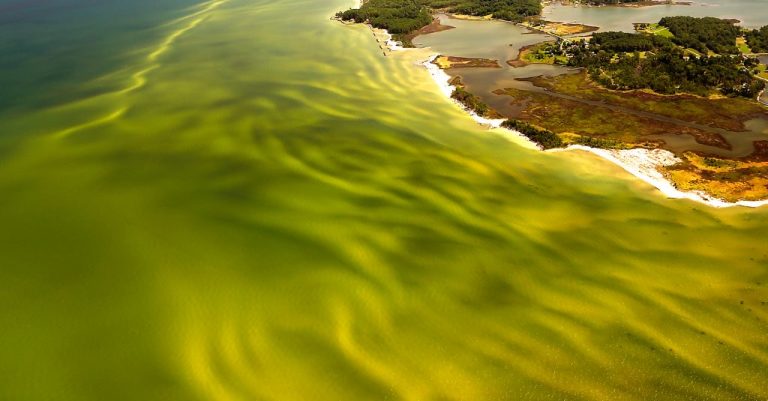
Marine Algal Blooms & Water Quality Decline
Harmful algal blooms (HABs) are increasing in frequency, intensity, and geographic extent around the world. Driven by nutrient pollution, warming oceans, and coastal development, HABs can devastate marine ecosystems, kill wildlife, contaminate seafood, and jeopardise human health. Poor water quality is now recognised as one of the most urgent and widespread threats to ocean and estuarine environments.
What Are Harmful Algal Blooms?
Algal blooms occur when algae or cyanobacteria grow excessively, usually in response to high levels of nutrients such as nitrogen and phosphorus. While many blooms are harmless, some species produce potent toxins or create low-oxygen (hypoxic) “dead zones” that suffocate marine life.
HABs are fuelled by:
- Agricultural runoff (fertilisers, manure)
- Sewage outflows and wastewater
- Urban stormwater
- Aquaculture waste
- Sediment disturbance
- Climate-driven warming and stratification of surface waters
These conditions create the perfect environment for blooms to become larger, longer-lasting, and more toxic.
A Growing Global & National Problem
Scientific assessments show alarming trends:
- The number of reported harmful algal blooms has increased over the past several decades, with some regions experiencing a tenfold rise in events (NOAA, 2020).
- Globally, nutrient pollution has created more than 700 coastal “dead zones” — areas so low in oxygen that most marine life cannot survive (UNEP, 2019).
- The world’s largest dead zone in the Gulf of Mexico can exceed 20,000 km² (NOAA, 2023).
- In Australia, HABs affect estuaries, coastal lagoons, coral reefs, and nearshore waters, including the Great Barrier Reef, NSW estuaries, and Western Australia’s coastal systems.
- Australian studies show that nitrogen loads entering coastal waterways have doubled or tripled since the mid-20th century, primarily due to agriculture and population growth (CSIRO, 2017).
Impacts on Marine Wildlife & Ecosystems
Harmful algal blooms pose multiple threats to marine species:
- Fish kills: Hypoxic conditions caused by blooms can lead to mass fish mortality. Some Australian rivers and estuaries have seen kills involving millions of fish in single events (NSW DPI, 2023).
- Toxicity: Certain algae (e.g., Karenia brevis, Alexandrium, Pseudo-nitzschia) produce neurotoxins that affect dolphins, seals, turtles, seabirds, and fish.
- Smothering of habitats: Blooms block sunlight and reduce photosynthesis, damaging seagrass and corals.
- Shellfish contamination: HAB toxins accumulate in shellfish, making them unsafe to eat and leading to fishery closures.
- Stress & disease: Poor water quality weakens immune functions in marine animals and increases vulnerability to pathogens.
Repeated blooms can permanently alter ecosystems by killing seagrass beds, disrupting food chains, and reducing biodiversity.
Human Health & Community Impacts
HAB toxins can affect people through:
- Contaminated seafood
- Skin contact during blooms
- Aerosolised toxins from breaking waves
- Outbreaks of paralytic shellfish poisoning (PSP), diarrhetic shellfish poisoning (DSP), and amnesic shellfish poisoning (ASP) have led to harvest closures in several Australian states.
Economic impacts are also substantial:
- The US loses an estimated USD $80 million per year due to HAB-related fisheries and tourism losses (NOAA, 2019).
- Australian shellfish industries face periodic closures costing millions of dollars, particularly in Tasmania and NSW.
Climate Change Is Making Blooms Worse
Climate change compounds HAB risks in several ways:
- Warmer waters accelerate algal growth.
- Marine heatwaves create stable, stratified layers ideal for blooms.
- Increased rainfall and flooding deliver more nutrients into waterways.
- Ocean acidification favours some toxin-producing algae.
- Studies show that HABs are becoming more frequent, more toxic, and more widespread as climate pressures intensify (Stock et al., 2020).
Improving Water Quality
Reducing HABs requires addressing pollution at the source:
- Upgrading wastewater and sewage treatment plants
- Reducing fertiliser use and improving agricultural runoff management
- Restoring wetlands and mangroves, which filter excess nutrients
- Improving stormwater systems in urban areas
- Strengthening catchment protections
- Monitoring and early detection programs
- Communities, industries, and governments all play a role in preventing nutrient overload and improving coastal resilience.
Why It Matters
Healthy water quality is the foundation of thriving oceans. When nutrient pollution and warming trigger harmful blooms, the impacts ripple throughout entire ecosystems — affecting marine life, human health, fisheries, and tourism. Addressing HABs is essential for protecting wildlife and safeguarding the coastal environments communities depend on.
Learn How You Can Help & Take Action
___________________________________________________
References
- NOAA (2020). Harmful Algal Blooms Overview. https://oceanservice.noaa.gov/hazards/hab
- UNEP (2019). Global Environment Outlook / Dead Zones Report. https://www.unep.org/resources/report
- NOAA (2023). Gulf of Mexico Dead Zone Forecast. https://www.noaa.gov
- CSIRO (2017). Nutrient Loads & Water Quality Impacts. https://www.csiro.au
- NSW DPI (2023). Fish Kill Event Reports. https://www.dpi.nsw.gov.au/fishing/habitat/estuaries/fish-kills
- Stock et al. (2020). Climate-driven changes in harmful algal blooms. https://www.nature.com/articles