
Underwater Noise Pollution
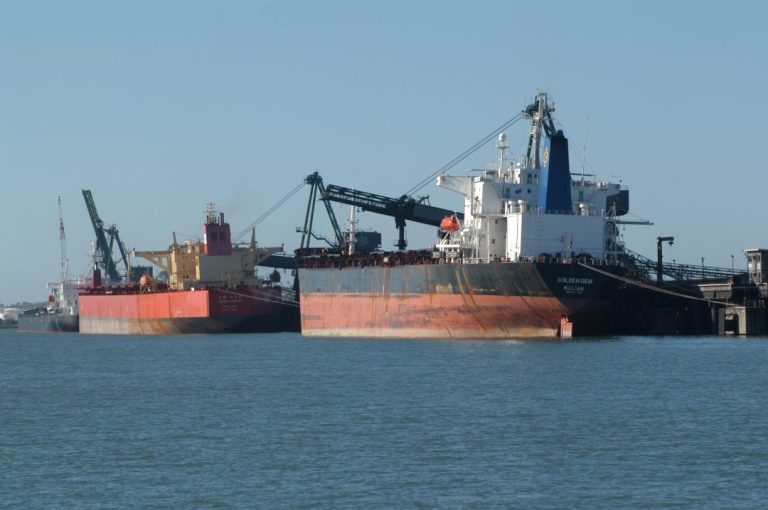
Underwater Noise Pollution
Underwater noise pollution is an often overlooked but rapidly growing threat to marine life. Many ocean species — especially whales, dolphins, fish, and some invertebrates — rely on sound to communicate, navigate, find food, detect predators, and maintain social bonds. When human-made noise overwhelms these natural soundscapes, it disrupts behaviour, impairs vital life functions, and in extreme cases causes injury or death.
A Growing Problem in the World’s Oceans
The world’s oceans are becoming noisier each year due to increased global shipping, industrial development, seismic exploration, naval sonar, port expansion, and coastal recreation. Low-frequency noise from commercial shipping has increased by 20–30 dB in many regions since the 1960s, effectively doubling underwater noise levels every decade (McDonald et al., 2006; Hildebrand, 2009).
For marine mammals, which depend on sound for nearly every aspect of life, this chronic noise can mask communication signals over vast distances. Studies show that whale communication space — the distance over which whales can detect each other’s calls — has shrunk by up to 90% in busy shipping areas (Clark et al., 2009).
Impacts on Marine Wildlife
Underwater noise affects marine species in multiple ways:
- Communication masking: Noise interrupts mating calls, mother–calf contact, and group coordination.
- Behavioural disturbance: Whales and dolphins may abandon feeding areas or surface more frequently, increasing the risk of vessel strike.
- Hearing loss & injury: High-intensity sounds (e.g., seismic airguns, naval sonar) can cause temporary or permanent hearing damage.
- Stress & displacement: Chronic noise elevates stress hormones and forces animals away from important habitats.
Seismic surveys used for oil and gas exploration are among the loudest human-made sounds in the ocean, reaching 230–260 dB re 1 µPa. These blasts are fired every 10–15 seconds, sometimes for months at a time, and can disrupt marine mammal behaviour more than 3,000 km² from the survey area (Nieukirk et al., 2012).
Fish, Invertebrates & Ecosystem Impacts
While marine mammals receive the most attention, noise pollution also affects fish and invertebrates:
- Many fish use sound for spawning, territorial defence, and orientation.
- Studies show noise can reduce feeding efficiency by up to 50%, alter migration patterns, and increase mortality in larvae.
- Shellfish exposed to chronic noise experience reduced growth rates and weakened immune responses.
These impacts cascade throughout marine food webs, affecting predator–prey interactions and the overall health of ecosystems.
Australian Context
Australia’s coastal waters experience significant underwater noise from shipping lanes, tourism, naval activities, and offshore industries. Key wildlife — including humpback whales, pygmy blue whales, dolphins, dugongs, and many fish species — rely extensively on sound and are vulnerable to disturbance.
Recent research indicates:
- The majority of Australia’s busiest shipping routes overlap with critical whale migration corridors along the east and west coasts (IWC, 2022).
- Underwater noise from shipping in Australian waters has doubled in some regions over the past 20 years (Noad et al., 2017).
Seismic surveys continue to be proposed in ecologically sensitive areas, raising concerns for species already stressed by climate change, warming waters, and habitat degradation.
Why It Matters
As the ocean becomes noisier, the consequences extend far beyond individual species. Noise pollution reduces habitat quality, fragments animal populations, and disrupts ecological processes. Over time, these changes reduce resilience and increase vulnerability to other threats such as pollution, climate change, and vessel strike.
Solutions & Pathways Forward
Reducing underwater noise pollution requires coordinated industry, government, and community action, including:
- Quieter ship technologies (redesigned propellers, noise-reducing hull forms)
- Slower vessel speeds, which can cut sound output dramatically
- Temporal and spatial restrictions on seismic surveys in sensitive habitats
- Marine protected areas that include acoustic sanctuaries
- Regulation & monitoring of industrial noise sources
- Promotion of low-noise tourism and recreational boating practices
Healthy ocean soundscapes are essential for thriving marine ecosystems. By reducing noise at the source, we can restore communication pathways, protect migration corridors, and help marine species recover.
Learn How You Can Help & Take Action
___________________________________________________
References
McDonald, M. et al. (2006). Increases in deep ocean ambient noise. https://asa.scitation.org/doi/10.1121/1.2213597
Hildebrand, J. (2009). Anthropogenic and natural sources of ambient noise in the ocean. https://royalsocietypublishing.org/doi/10.1098/rstb.2008.0309
Clark, C.W. et al. (2009). Acoustic masking in marine mammals. https://academic.oup.com/jmammal/article/89/3/552/2373280
Nieukirk, S.L. et al. (2012). Acoustic impacts of seismic surveys. https://asa.scitation.org/doi/10.1121/1.3651817
IWC (2022). Global shipping overlaps with whale migration corridors. https://iwc.int/science
Noad, M. et al. (2017). Underwater noise in Australia’s oceans. https://www.nespmarine.edu.au