
Habitat Loss & Coastal Development
Habitat Loss & Coastal Development
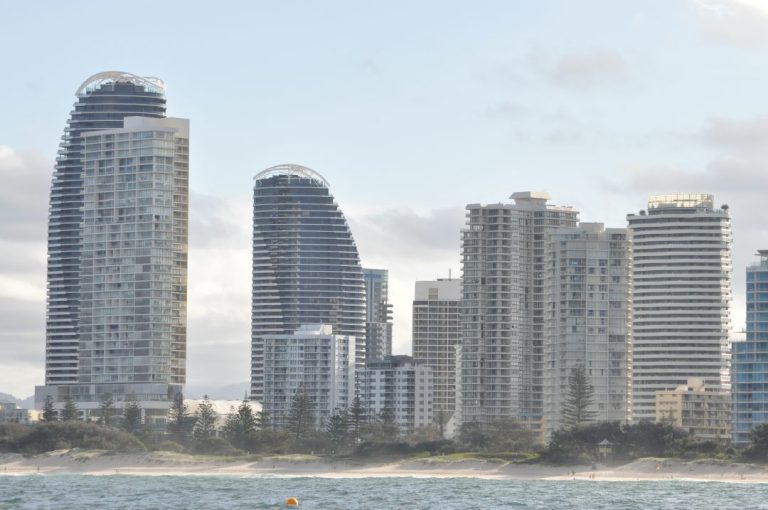
Coastal habitats are among the most biologically productive ecosystems on Earth — and also among the most threatened. As coastal populations grow, natural shorelines are being modified by housing, ports, marinas, dredging, seawalls, sand mining, and industrial infrastructure.
In Australia alone, dune vegetation systems have lost a median of 11 % of their cover from 2014–2019 — and that’s only one habitat type. Globally, nearly one-third of seagrass meadows have disappeared since the mid-1700s, and between 30–50 % of all vulnerable marine habitats have already been lost. These losses are not just historical: current annual loss rates of coral reefs (4-9 %), mangroves (1-3 %) and salt-marshes (1-2 %) continue to outpace even tropical forest loss ( Capistrant-Fossa & Dunton 2024, Duarte et al. 2009, United Nations, 2023).
These activities destroy or fragment vital habitats like mangroves, saltmarshes, dunes, estuaries, seagrass meadows, kelp forests, and shallow reefs. When these habitats disappear, marine species lose nursery grounds, feeding areas, and refuge from predators.
Habitat loss also reduces the ocean’s ability to provide essential ecosystem services: mangroves buffer coastlines from storms, seagrass and wetlands improve water quality, and reefs support fisheries and tourism.
Reversing this trend requires thoughtful coastal planning, stronger environmental protections, habitat restoration projects, and a commitment to nature-positive development that places long-term ecosystem health above short-term gains.